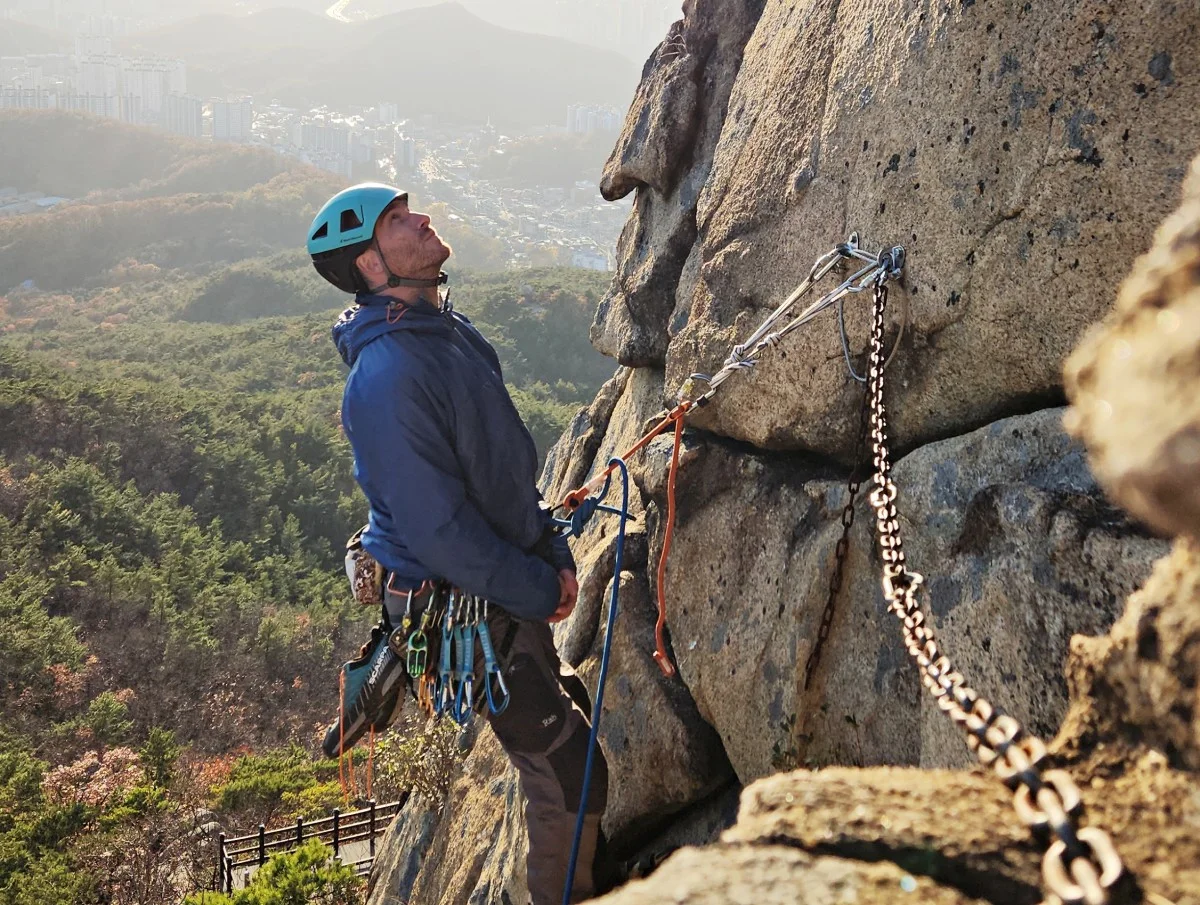
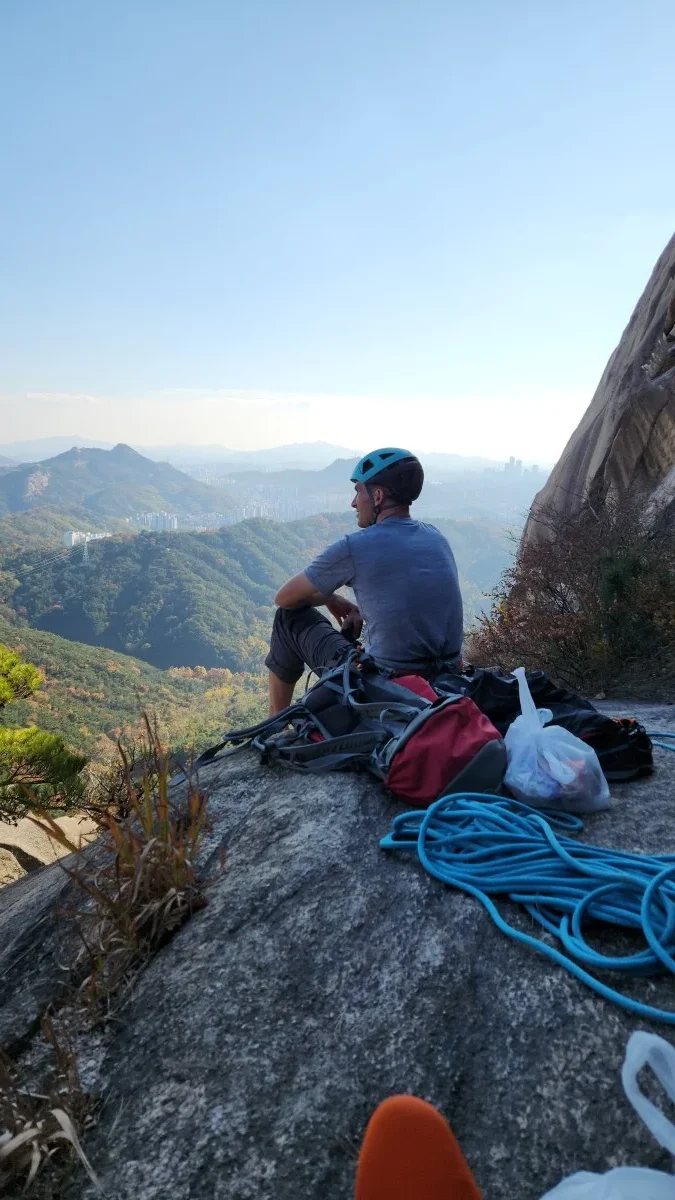
숲을 닮은 이가 바위 위에 서 있다.
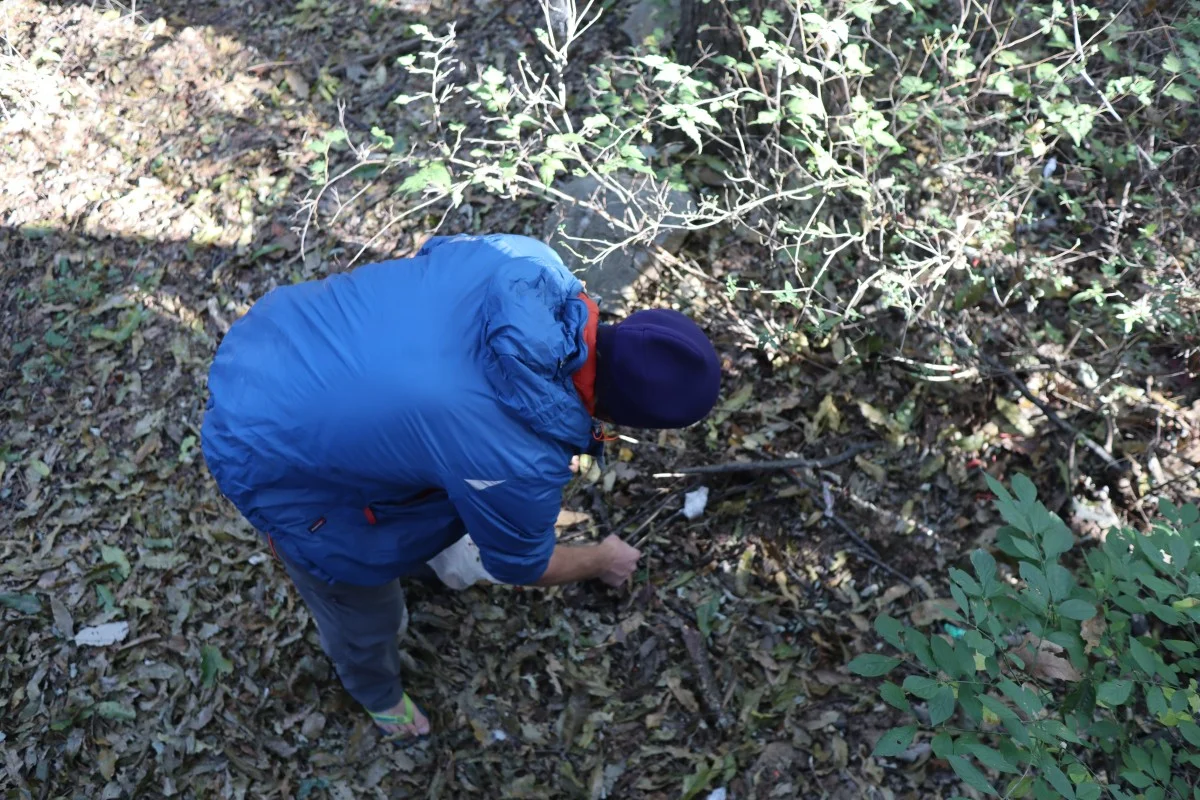
아주 추운 날만 아니면 언제나 플립플롭을 신고 산의 이곳저곳을 누비는 그는 과천에 위치한 '마타리숲학교'의 동료 교사이다. 조용하고 묵묵하게 그만의 방식으로 오랫동안 숲을 지켜왔다. 영국에서 한국까지 깊은 숲을 탐험해 온 그에게는 어떤 이야기가 있을지 궁금해졌다. 산에 있어서는 안 될 것들을 함께 주우며 이야기를 나눴다. 그의 가방엔 당연하다는 듯이 쓰레기봉투와 집게가 있었다.
자기소개를 부탁드립니다.
제 이름은 제임스 로버츠입니다. 하지만 아마 많은 분들은 저를 'Jak'이라고 알고 있을 거예요. '마타리숲학교'에서 만나는 아이들과 학부모님들은 저를 'Sky'라고 부르기도 하고요. 그 외 수많은 다른 별명은 일단 비밀에 부쳐두는 걸로 하겠습니다.
하시는 일에 대해 좀 더 자세히 말씀해 주시겠어요?
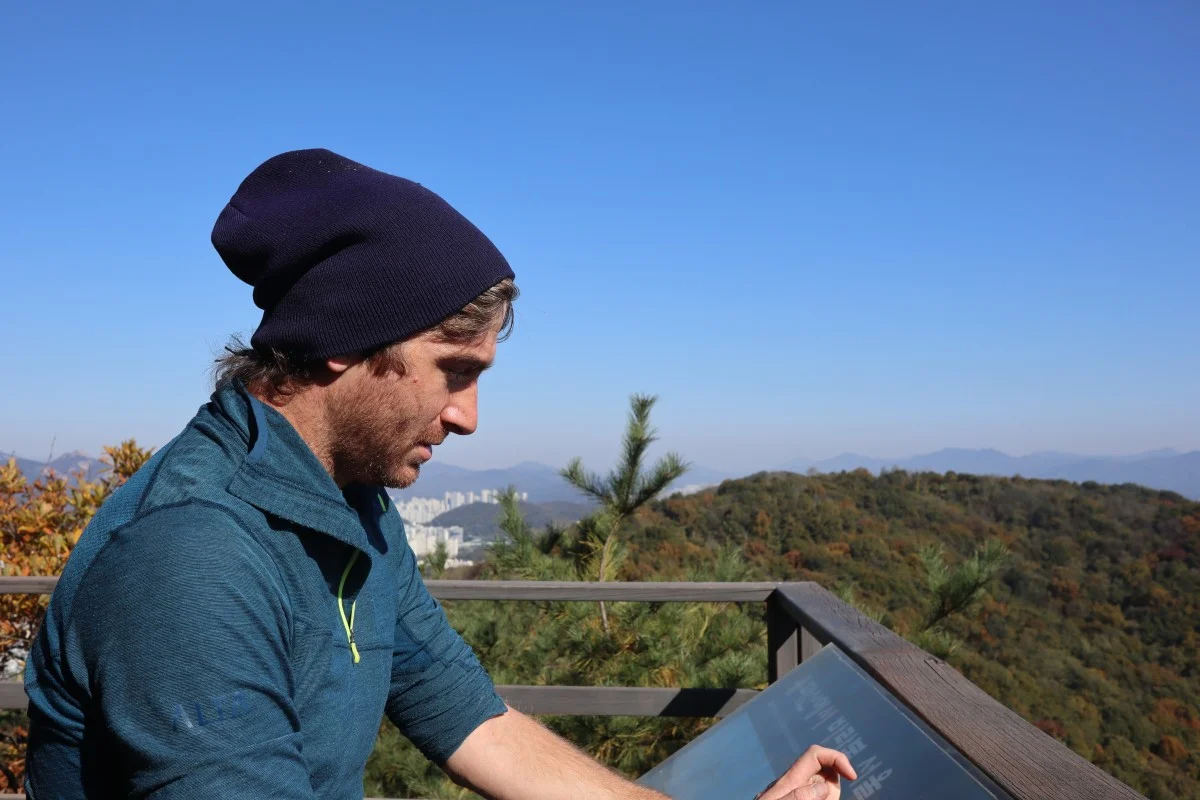
저는 스스로를 소개할 때 '캐녀닝 가이드(Canyoning Guide)'라고 부릅니다만, 사실 요즘은 다른 일을 더 많이 하고 있습니다. 대부분 산이나 그 주변에서 일을 하고 있으며, 대개 야외 교육자 내지 숲 학교 교사, 또는 하이킹 가이드로 활동하고 있습니다.
이 일을 시작하게 된 계기는 무엇인가요?
10대 시절, 제 가장 큰 관심사는 암벽등반과 급류 카약이었습니다. 나이가 들어서도 이런 관심사에 몰두하는 삶을 살고 싶었지만, 늘 다른 교육적•직업적 진로를 강요받아 왔어요.
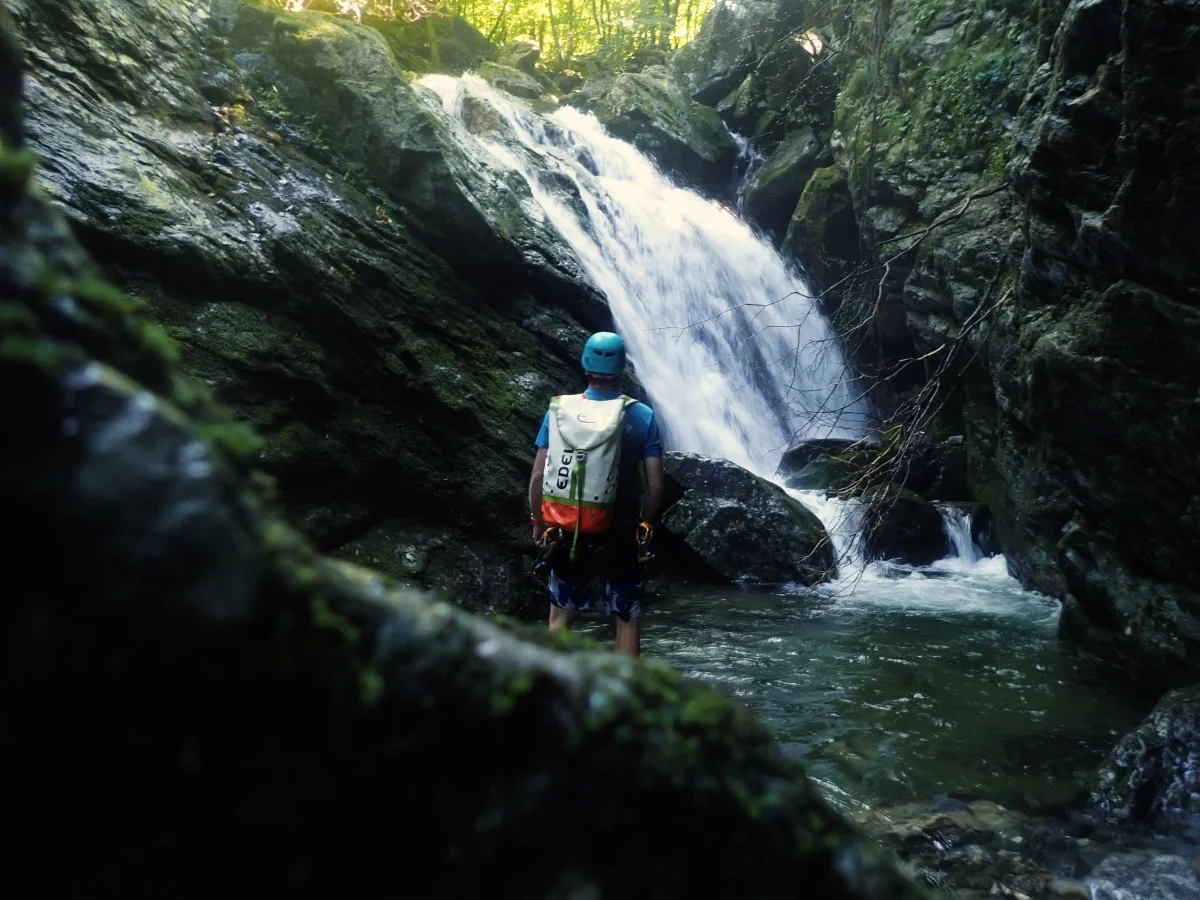
하지만 결국 야외에서 일하는 것이 삶으로 돌아오게 됐습니다. 아무래도 제게 가장 보람된 일이기 때문인 것 같아요. 22살 이후로 제 인생 대부분을 야외 가이드나 강사로 살아왔습니다. 참고로 말씀드리자면 지금은 38살입니다.
외국인으로서 보는 한국의 숲은 어떤가요?
한국은 제가 자란 곳에 비해 숲이 정말 많습니다. 제 고향 영국은 너무 많은 땅을 가축과 방목에 사용하고 있어요. 오죽하면 영국은 나무보다 양이 더 많다는 말도 나옵니다(우리는 그것들을 "언덕의 구더기"라고 부릅니다). 한국은 숲이 정말 많아서 참 좋습니다. 초록색은 제가 가장 좋아하는 색이거든요.
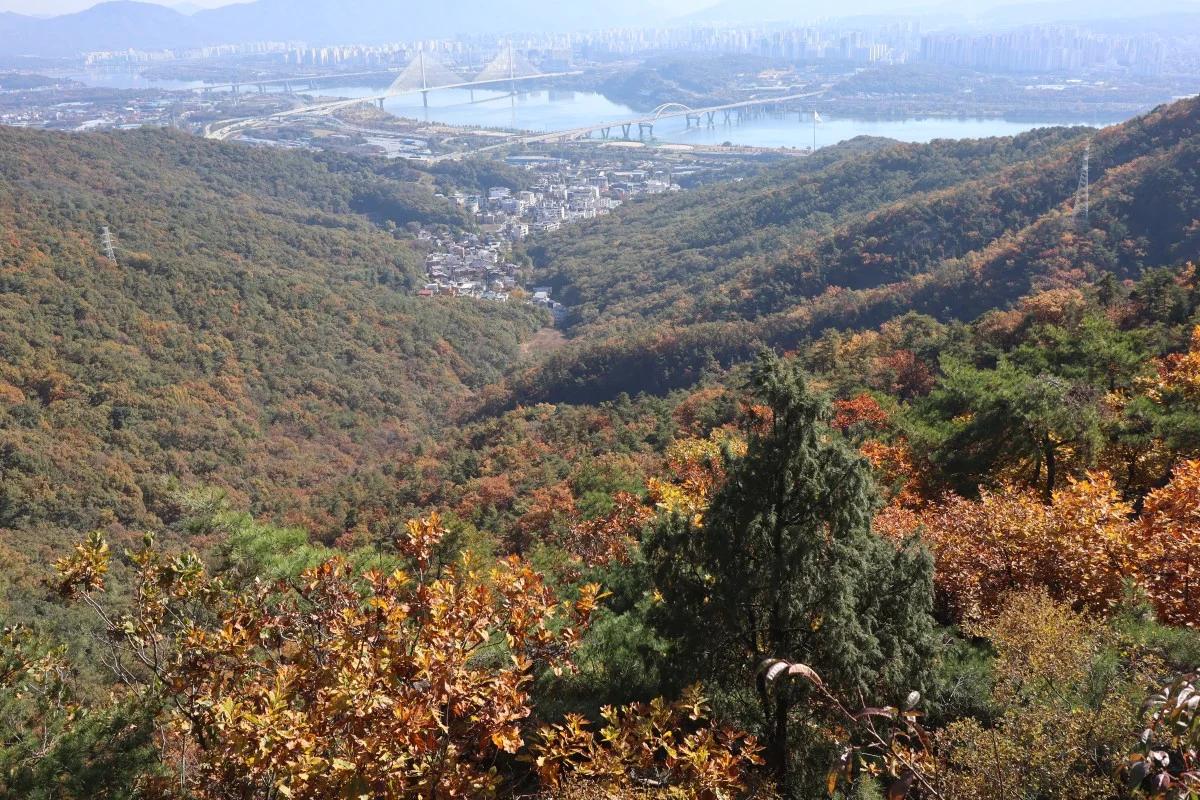
숲과 산에서 보내는 시간은 제게 늘 흥미진진한 시간입니다. 이곳의 야생동물은 제가 자라면서 보던 것들과 다르다 보니, 여기저기 탐험하며 새로운 것들을 발견할 때마다 큰 즐거움을 느낍니다.
그와 동시에 한국에서 진정한 야생 지역을 찾기는 꽤 어렵다는 생각도 듭니다. 현재 누군가 사용 중이거나, 버려진 흔적이 남아 있는 등, 인간의 기반 시설에서 숲이 멀리 떨어져 있는 경우는 찾아보기 힘듭니다.
숲에서 시간을 보내면서 자주 발견하는 문제는 무엇인가요?
쓰레기가 너무 많습니다. 물론 이것은 한국만의 문제는 아니에요. 더 심각한 나라도 있고(저도 경험했습니다) 더 나은 곳도 있겠지만, 이 상황을 다른 나라와 비교하는 것은 큰 의미가 없습니다. 비교하기보다는 우리가 정한 목표를 달성하기 위해 노력하는 것이 훨씬 낫다고 생각합니다.
다만 한국에서는 꽤 오랫동안 이 문제가 지속된 것 같습니다. 등산로를 벗어나면 오래 방치된 쓰레기를 발견하곤 하는데, 외딴곳이나 사람들이 자주 가지 않는 곳에서도 오래된 쓰레기를 볼 수 있습니다.
요즘은 소셜 미디어가 발달해 있다 보니 사람들이 가는 장소도 많이 공유하고, 잘못된 정보도 많이 확산되는 것 같습니다. 그러다 보니 상황이 나아지기는커녕 악화되는 것 같아요.
또한 편의성을 중요시하다 보니, 점점 우리가 소비하는 일회용품에 대해서는 별 관심을 기울이지 않게 됐습니다. 제가 그렇게 나이가 많은 편은 아니긴 해도, 야외에서 하루를 보내면 지금보다는 훨씬 적은 플라스틱과 쓰레기가 발생했던 걸로 기억합니다.
국립공원이나 토지 소유주들이 자연을 관리하는 방식도 그다지 마음에 들지 않습니다. 영향 관리 측면에서 한국은 제가 일하고 여행했던 많은 곳들에 비해 상당히 뒤처져 있습니다(위험 관리나 개인의 책임도 관련 있다고 생각하지만, 여기서 이야기하진 않겠습니다).
이러한 문제를 해결하는 방법은 무엇이 있을까요?
혼자 힘만으로 무언가를 변화시키기는 쉽지 않습니다. 하지만 혼자서라도 뭐든 해볼 각오조차 없다면, 더 큰 변화를 기대하는 것은 불가능에 가까울 것입니다. 뭐든 해보자는 것이 무의미하다는 말은 자기 패배적인 생각입니다. 상황이 비관적으로 보여도, 허무하게 그냥 굴복하기보다는 계속 노력을 기울이며 힘써보는 것이 좋다고 생각해요.
자신의 소비를 살펴보는 것부터 시작해 보세요. 산에서 사용하는 장비를 잘 관리해 주면 더 오래 사용할 수 있습니다. 아예 무언가 구매할 때 일회용 제품 대신 더 오래 쓸 수 있는 것을 고르는 것도 좋습니다. 산에 갈 때 가능하면 차량을 여럿이 함께 타고 대중교통을 이용하는 것도 실천입니다.
그리고 밖을 돌아다닐 때 쓰레기를 주워보는 것도 좋습니다. 친구들과 함께하면 더 쉽겠지만 물론 혼자서도 할 수 있는 일입니다. 이런 활동은 사람들 눈에 띄게 하는 것이 좋은데요. 산에 쓰레기를 버릴 때 어떤 일이 생기는지 사람들이 깨닫게 하는 것입니다. 저는 쓰레기를 주우러 다니면서 사람들에게 다양한 반응을 받지만, 감사하다는 말이나 음식 및 음료를 선물 받는 일도 종종 있습니다. 이런 실천에 참여할 수 있는 모임이 있을 수도 있고, 아니면 스스로 직접 시작해 볼 수도 있습니다. 소셜 미디어 플랫폼을 활용하면 유용할 것입니다.
안타깝지만 영향력 있는 권력자들의 관심을 끌 만큼 주목받기 전까지는, 여러분의 행동이 널리 알려지긴 어려울 것입니다. 때로는 운이 좋게 대규모 단체나 정부 및 지자체에서 이런 기회를 제공하기도 하지만, 제 경험상 그저 시간과 에너지를 낭비하는 것으로 끝나곤 합니다. 자고로 변화는 사람들로부터 먼저 시작되고, 그다음에 정부가 응답하는 법입니다.
그리고 결코 동참하지 않을 사람들도 많다는 것을 명심하세요. 여러분을 말로는 지지하지만 실질적으로는 행동하지 않는 사람들을 보게 될 것입니다. 그래도 참여를 격려해 볼 수는 있겠지만, 정말 무지하고 최악인 사람들의 행동을 바로잡기는 어려울 것입니다. 인생의 슬픈 진실은, 항상 신경 쓰는 사람들이 신경 쓰지 않는 사람들의 뒤처리를 위해 더 많은 일을 해야 한다는 것입니다.
자연에 둘러싸여 있을 때는 어떤 느낌이 드나요?
겸손해집니다. 하지만 또한 안정감을 느껴요. 자연 속에 있으면 제 삶을 올바른 관점으로 유지하는 데 도움이 됩니다.
저는 대부분 우리의 진정한 문제는 자연과의 관계에 집중함으로써 해결할 수 있다고 생각합니다. 자연에 있으면 우리가 만든 사회의 특이한 방식으로 그동안 스스로에게 얼마나 많은 압박과 요구를 주고 있었는지 깨닫게 됩니다. 그리고 사실 그것들이 얼마나 사소한 것인지도요.
죽기 전에 단 한 곳만 방문할 수 있다면?
선택하기가 너무 어려운데요. 가보지 못한 곳이 너무 많지만, 아직 다하지 못한 일이 있는 것 같아 다시 가고 싶은 곳도 있습니다.
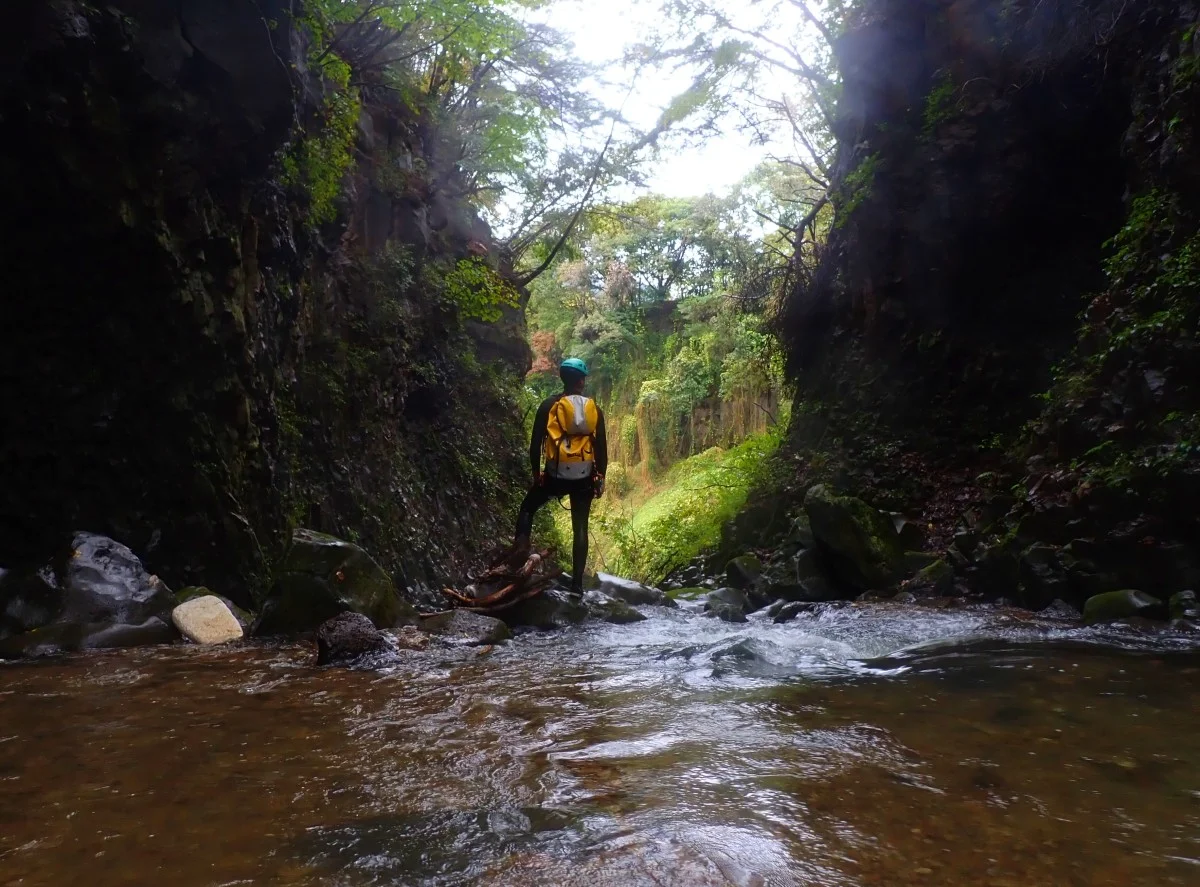
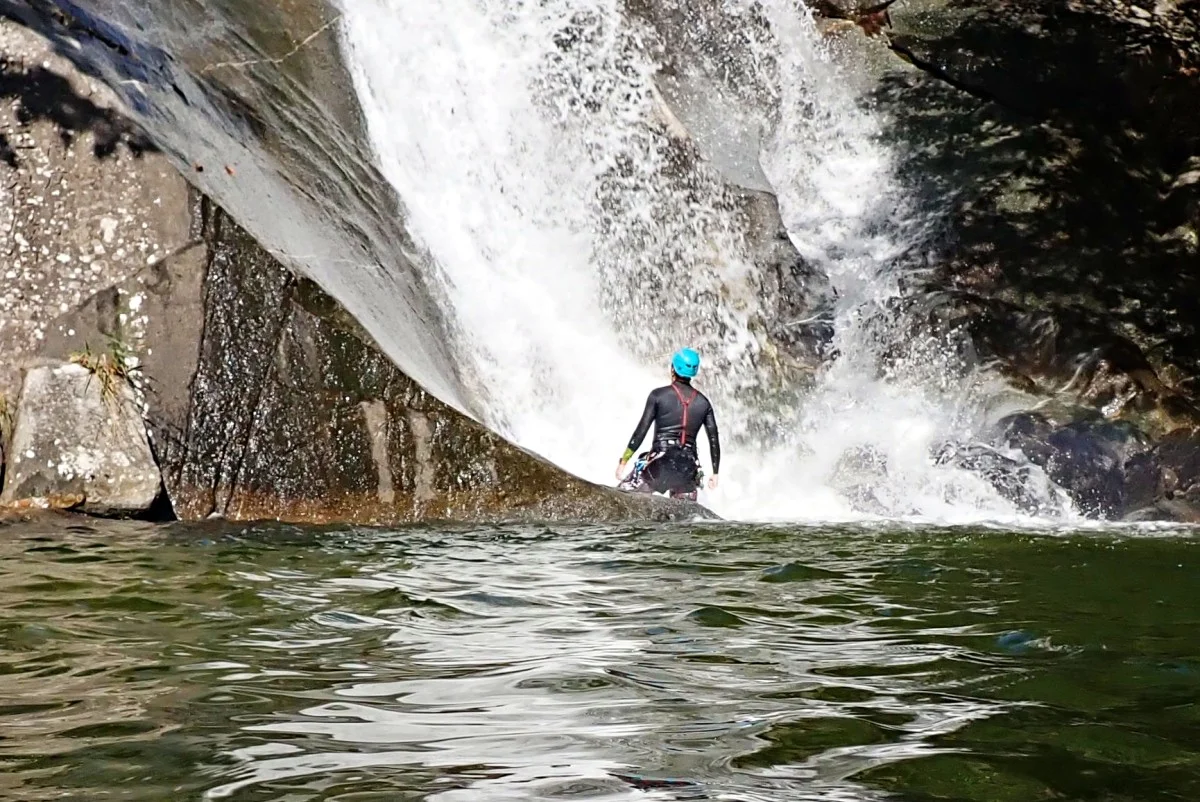
지금 당장은 몽골도 생각나고요. 한국에서는 아직 영남 알프스를 충분히 탐험해 보지 못했습니다. 영남 알프스는 폭포가 많은 멋진 장소입니다. 제가 산에서 찾아다니는 것 중 가장 좋아하는 것이 폭포이기도 합니다.
자연 속에서 사람들과 함께 일하는 사람으로서, 어떤 가치나 신념을 가지고 있나요?
저에게 가이드 일은 제가 설립하고 소유한 사업의 일부입니다. 제 사업의 원칙은 우리 투어가 환경에 미치는 영향을 최소화하는 것입니다.
그 외에는 그냥 사람들이 좋은 시간을 보내게 해주고 싶습니다. 저에게 투어를 요청하는 분들은 대부분 이미 자연에서 돌아다니는 것을 사랑하는 분들이 많거든요.
야외 교육을 할 때는 제 목표와 역할이 약간 달라집니다. 제가 숲에서 함께하는 아이들은 여전히 배워가는 나이입니다. 자신이 무엇을 즐기는지, 무엇이 중요한지를 스스로 찾아가는 과정에 있습니다. 이 아이들이 자연을 사랑하게 된다면, 크고나서도 자연스럽게 자연을 돌보고 싶어 할 것입니다.
요즘 아이들, 특히 도시에서 자란 아이들은 자연의 필연적인 현상조차도 자신에게 불편한 것이라고 여기는 경향이 있습니다. 저는 아이들이 자연 과정(예를 들어 비처럼)의 중요성을 이해하고, 어떻게 즐길 수 있는지도 알 수 있게 하려고 노력합니다.
The Forest-Like One Stands on the Rock
Unless it's extremely cold, he always wears flip-flops as he roams every corner of the mountain—he's my colleague. Quiet and steadfast, he has protected the forest in his own way for a long time. Having explored deep forests from England to Korea, I became curious about what stories he might have. We talked as we picked up things that didn't belong on the mountain. In his bag, as if it were the most natural thing, were a trash bag and tongs.
Could you please introduce yourself?
My name is James Roberts, but many people will know me as Jak. There are a few kids and their mums, around Gwacheon, who will know me as Sky. Any other nicknames and aliases I have are probably best kept secret.
Could you tell us a bit more about your job and what you do?
I like to think of myself as a Canyoning Guide, but honestly that is the smallest part of what I do these days.
Nearly all of my work takes place on or around mountains and most of that is either working as an outdoor educator/forest school teacher or hiking guide.
What led you to start doing this work?
In my teens, two of my biggest interests were rock climbing and whitewater kayaking. Even though I wanted to build my future around these interests, I was always encouraged to pursue other educational and professional paths.
Ultimately though, I came back to working in the outdoors because that is what I find most fulfilling. Working as an outdoor guide or instructor has been my primary occupation for most of my life since I was 22 years old. I am now 38.
As a foreigner, how do you see the forests of Korea?
Korea has so much forest compared to where I grew up. In the UK, so much land is given over to livestock and grazing; we have more sheep than trees it seems like (we call them the maggots of the hills). I really like having so much woodland here. Green is my favourite colour.
Spending time in the forests and on the mountains is exciting. The wildlife, here, is different to what I grew up with - so there is a great sense of discovery for me as I explore.
At the same time, it also feels hard to find true wilderness areas in Korea. You are never far from human infrastructure - be it current or the remnants of something abandoned.
What kinds of problems do you often notice while spending time in the forest?
There is plenty of trash. This certainly isn't a problem unique to Korea though. I've heard things about it being worse in other places (I have experienced this too), but I also know places where the situation is better. It seems fairly fruitless to compare the situation here to how it is in other countries - you are far better off making comparisons against the desired standard - and then working towards achieving that.
It does seem to me though, that it has been a problem here for a while. I do find some fairly old looking trash when I go off trail here - even when I think I am somewhere remote and infrequently visited.
With social media as it is now, and the sharing of locations, and the propagation of misinformation around best practice, I think things are getting worse rather than better too.
We are also becoming a society that prioritises convenience and thinks little about the disposability of the things we consume. I am not that old, but I can remember times when provisioning yourself for a day outdoors involved far less plastic and waste.
I'm not really encouraged by the way National Parks and landowners manage things either. In terms of impact management, Korea is quite far behind many places I have worked and travelled (I won't talk about attitudes towards risk management or personal responsibility here, but I think those things are related too).
If you know any ways to help solve those problems, could you share them with us?
It is hard to make changes as an individual, but if you're not prepared to do anything on even an individual level, then you'll have little hope of affecting greater change. It's better to stay motivated, even if your outlook is somewhat cynical, rather than giving into more nihilistic points of view. The idea that doing anything at all is pointless is just a self defeating philosophy.
Start with looking at your own consumption. Especially if you are going onto the mountains - look after your gear and buy decent, more sustainable products. Avoid single use items. Car share and use public transport when you can to access venues.
After this, you can start tidying up whilst you are out. It's easier to do this with friends but it can be done solo. It helps to be visible when you do this as well - make people recognise the impacts of leaving trash on the mountain. I get a mixture of reactions when I am out tidying up, but it isn't uncommon to be thanked by people and have them share food and drink with you as a way of showing their gratitude.
There are groups that can be joined - or you can start one yourself - there are plenty of social media platforms that can help with this.
Unfortunately, I don't think your voice is heard until you have a group project that has enough eyes-on to warrant attention from influential powers.
Sometimes, you can get lucky with larger organisations and authorities, but in my experience they'll often just waste your time and energy. Change comes from people first, then authorities respond to that. The thing to remember with caring for the outdoors is that there are plenty of people who never will.
By your actions, you might encourage people who were vocally supportive, but practically inactive, to get involved - but you probably won't be able to correct the behaviours of the worst and most ignorant people. A sad truth of life is that people who care are always going to have to do more to clean up after people who don't.
How do you feel when you’re surrounded by nature?
Humbled. But also grounded. Being in nature helps me keep my life in perspective. I think most of our real problems ought to be focused around our relationship with nature. Being outdoors reminds me of the triviality of so many of the pressures and demands we place on ourselves because of the peculiarities of how we've decided to structure our societies.
If you could visit only one place before you die — in Korea or anywhere else — where would it be, and why?
It's almost too hard to choose. There are so many places I haven't been, yet there are places I want to return to because I feel like I have unfinished business.
Right now, I quite like the idea of exploring Mongolia. Within Korea, I have not yet spent enough time exploring the Yeongnam Alps. It's a great place for waterfalls, which are my favourite things to hunt for on the mountains.
As someone who works with people in nature, what kind of values or beliefs guide your work?
The guiding part of my work I do as part of my own business, which I set up and own by myself. The primary tenet of that business is to minimise the impact of our tours on the environment.
Beyond that, I just want to give people a good time. People do tend to approach me for tours because they already love the outdoors.
With the outdoor education, my goals and role are slightly different. I am working with children who are still learning and finding out for themselves what it is that they enjoy and what it is that is important to them. If I can get them to fall in love with nature, then they'll grow up wanting to look after it.
With children these days, especially those that have grown up in the city, I get the sense that they see many essential natural processes through a lens of what makes their lives inconvenient. I try to get the children to understand the importance of things like rain, for example, and then I get them to see how it can be enjoyed as well.